Pipe Fence & Corrals in Lawton, OK
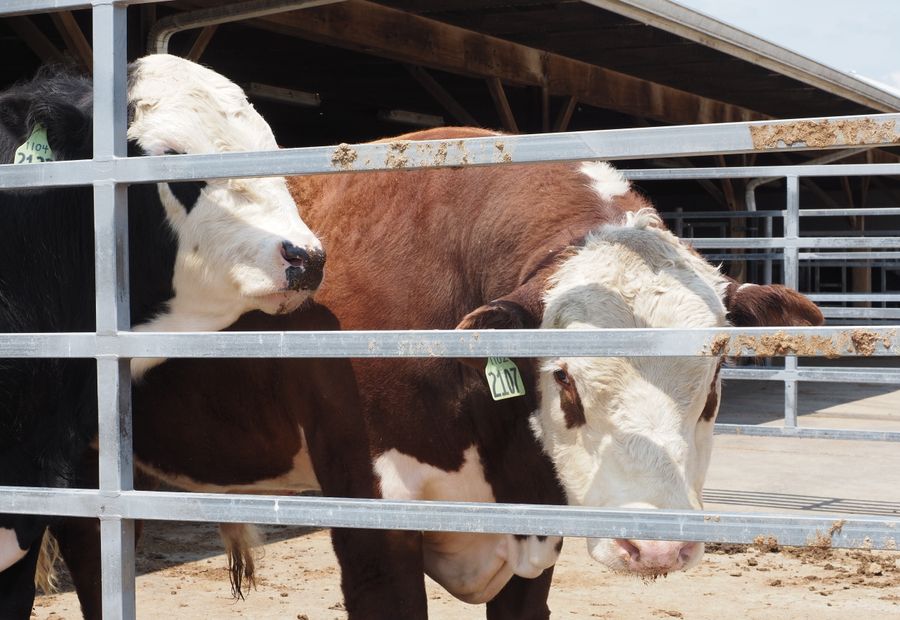
Lawton Farm Fence welds pipe fence, continuous rail, corrals, and working pens for cattle and horse operations across Comanche, Caddo, Cotton, Stephens, and Kiowa counties. Pipe is the signature fence of southwest Oklahoma and it is the heart of what we build, from entrance runs along the county road to a full set of pens with an alley and a headgate.
Oilfield surplus is why this fence became a regional habit. When the boom turned to bust in the seventies and eighties, southwest Oklahoma was left with cheap steel and idle welders, and ranchers put the two together. We still build from that stock: used drill stem and production tubing for posts and rails, sucker rod for fill, all of it sorted for wall thickness before it goes on the truck. Posts set three to four feet down in concrete, which is correct under steel and wrong around wood. Gates, panels, and chutes come from Priefert and Powder River in powder coat. Every weld gets ground and coated, because a bare weld is the first thing to rust on a fence that will otherwise outlast the owner. Bolted panels staked into the dirt move when a herd hits them and leave gaps at each joint. A welded run has no joints to open.
Pens That Move Cattle
A corral is a machine, not a square. We lay out a gathering pen wide enough to bring the herd in without a fight, a crowding tub or a wedge that funnels rather than corners, and an alley sized to the class of cattle so animals cannot turn around in it. The headgate sits at the end on its own footing, since a chute takes shock loads a fence post never sees. Solid sheeting goes on the sides of the alley where cattle balk at what they can see, and man gates go in the panels so nobody climbs out in a hurry. Bison and longhorn ground exists in this county, and stock like that changes the height and the wall thickness.
Granite and Continuous Rail
Continuous rail welds a run into one length, which is what holds bulls and what looks right along an entrance. It also needs the posts to be true, and true posts are hard where the Wichitas push granite to the surface. We drill those with a rock bit, grout the pipe into the hole, and keep the rail line straight across the change in ground.
Getting a Number
Pipe is the most expensive fence per foot and the last one you will ever replace. Call (580) 555-0139 for a free estimate on a pen layout or a run of rail.
Is used oilfield pipe as good as new pipe?
For fence, often better value. Used drill stem and production tubing are heavier wall than anything you would buy new at that price, and the boom and bust cycles in this part of Oklahoma left a lot of it in yards. It comes with pitting and scale, so it has to be sorted, cut back past the bad sections, and cleaned before welding. We reject pipe that has thinned at the threads no matter how cheap the load was.
What is sucker rod used for in a fence?
Rod goes in as the horizontal fill between pipe posts and top rail. It is round steel bar, cheap by the foot in oil country, and stiff enough to hold a horse or a cow. A common build here is pipe posts and a pipe top rail with three or four rods welded across underneath. Rod is not strong enough to serve as a post or a corner.
How deep do pipe posts go, and do they need concrete?
Three feet minimum for line posts, four feet for corners, gate posts, and anything carrying a headgate or an alley. Pipe is the one post that belongs in concrete. Steel does not rot at the collar the way a wood post does, so the concrete just adds mass and stops the post from working loose. On granite we drill and grout the post into the rock instead.
Can you weld pipe fence on site?
That is how it gets built. Panels bought and bolted together do not follow a ranch's terrain or a pen's layout. We cut and weld in place, so the top rail runs true over rises, the alley narrows where it should, and the gate openings land where you actually move cattle. Welds get ground and coated so they do not become the first rust spot.